Trading Company vs. Manufacturer in China: Key Differences
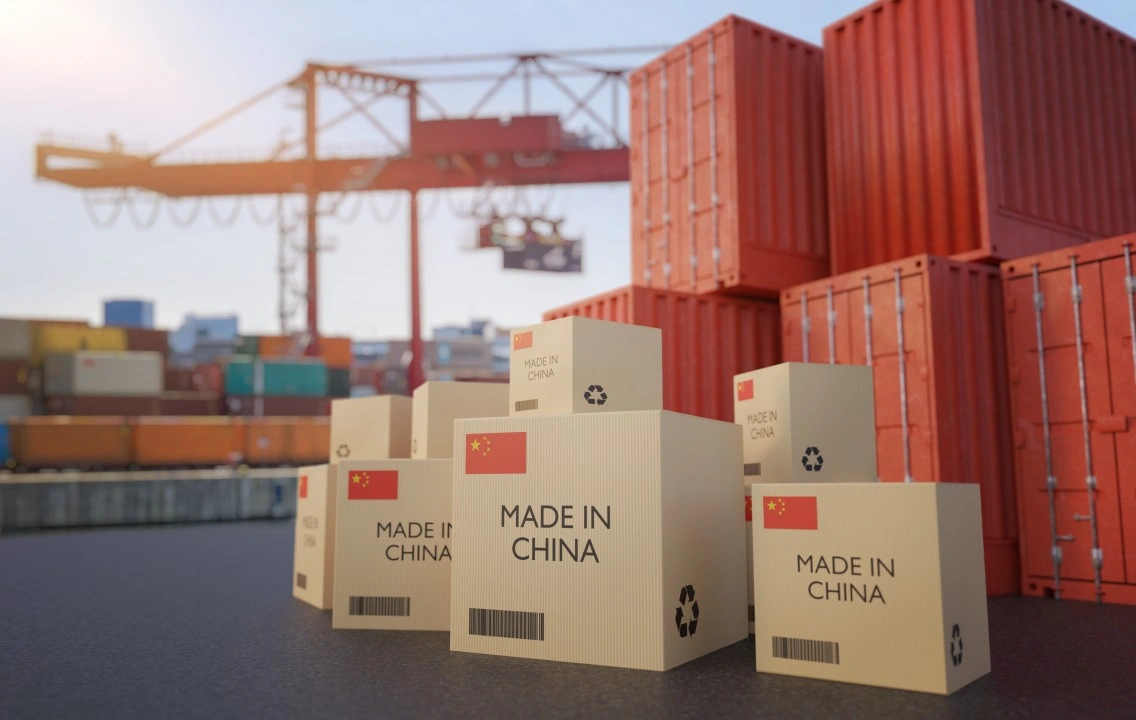
Choosing the right supplier is one of the most important decisions when sourcing products from China. International buyers can purchase directly from manufacturers or work with trading companies that connect overseas customers with suitable factories. Although both options can support international procurement, they differ in pricing, product selection, communication, quality control, and order management.
Understanding the China trading company vs manufacturer comparison helps importers, distributors, procurement managers, and industrial buyers choose a sourcing model that matches their requirements. The right decision depends on factors such as order volume, product complexity, technical specifications, budget, and the level of support needed throughout the purchasing process.
This guide explains the key differences between Chinese trading companies and manufacturers, their respective advantages and limitations, and how businesses can identify the most suitable partner for long-term international sourcing.
What Is a Manufacturer in China?
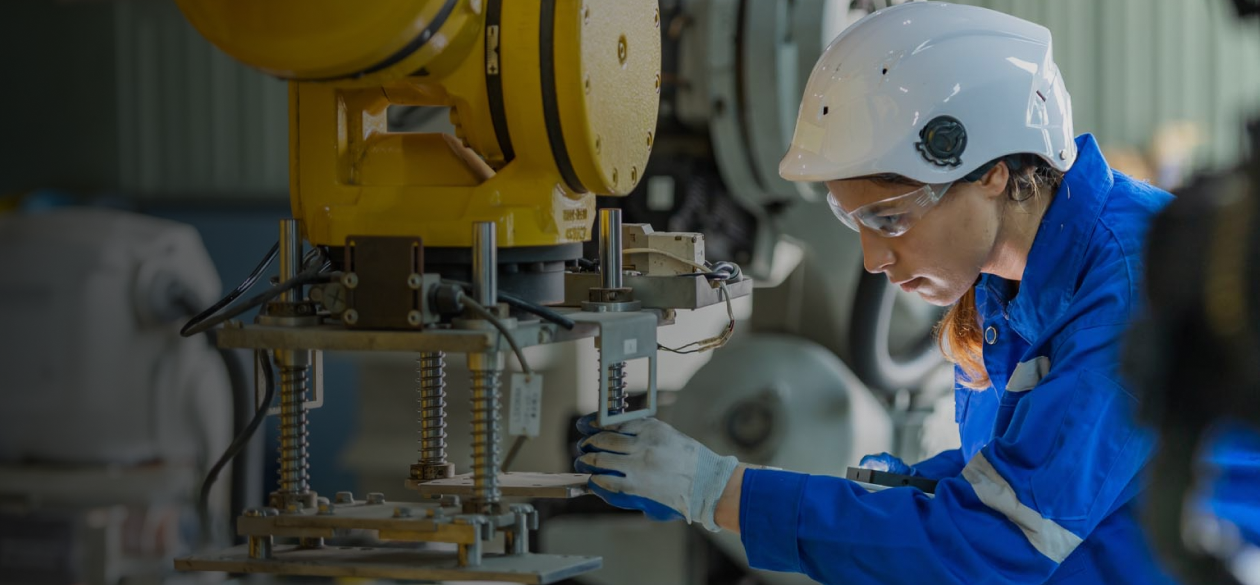
A manufacturer is a company that produces goods using its own production facilities, equipment, workforce, or manufacturing processes. Depending on the business model, a manufacturer may handle raw material processing, assembly, testing, packaging, and other stages of production.
Working directly with a Chinese manufacturer gives buyers a closer relationship with the source of the product. This can be particularly valuable when purchasing industrial equipment, machinery components, custom-made products, or goods requiring detailed technical specifications.
Advantages of Working Directly with Manufacturers
Potentially lower unit prices: Buying directly from a factory may eliminate the trading company’s margin. However, the final price depends on order volume, production efficiency, specifications, and commercial terms.
Greater technical communication: Direct access to production or engineering teams can make it easier to discuss drawings, materials, tolerances, performance requirements, and customization.
Better production visibility: Buyers may be able to obtain more direct information about manufacturing schedules, capacity, and quality assurance procedures.
Customization opportunities: Manufacturers are often well positioned to modify product designs, materials, dimensions, or manufacturing processes, provided the requested changes fit their capabilities.
Limitations of Working with Manufacturers
Direct sourcing is not always the simplest option. Many manufacturers specialize in a narrow product range and may not be interested in small orders or purchases involving multiple product categories.
International buyers may also need to manage supplier qualification, export documentation, inspection arrangements, logistics coordination, and communication independently.
For businesses purchasing several different products from multiple factories, managing each supplier separately can increase administrative work and complicate delivery planning.
What Is a Trading Company in China?
A trading company acts as an intermediary between buyers and product manufacturers. It sources goods from one or more factories and coordinates commercial transactions with domestic or international customers.
Depending on its capabilities, a trading company may provide supplier identification, quotation management, product consolidation, export coordination, quality inspection arrangements, documentation support, and communication throughout the purchasing process.
Some trading companies focus on specific industries or product categories, while others provide broader sourcing services across multiple manufacturers.

Advantages of Working with Trading Companies
Access to multiple suppliers: A trading company can help buyers compare products, quotations, and manufacturing capabilities across different factories.
Simplified procurement: Instead of coordinating with several manufacturers independently, buyers may manage multiple product requirements through one commercial contact.
Support for smaller or mixed orders: Some trading companies can consolidate products from different factories or negotiate quantities that individual manufacturers may not accept. Availability depends on the supplier and order requirements.
Export and logistics coordination: Experienced trading companies may assist with documentation, freight arrangements, shipment consolidation, and communication with logistics providers.
Reduced administrative workload: A capable sourcing partner can coordinate supplier communication and purchasing activities, allowing the buyer to focus on broader business priorities.
Limitations of Working with Trading Companies
The main consideration is the additional commercial margin. A trading company may charge more than a factory’s direct quotation because its price includes its own operating costs and services.
Buyers may also have less direct access to production teams, particularly when the trading company does not clearly disclose the original manufacturer.
Quality control can become more complicated if responsibilities are unclear or the intermediary relies on suppliers without independently verifying their capabilities.
For this reason, buyers should assess the trading company’s transparency, product knowledge, supplier network, and quality management procedures before entering a long-term agreement.
China Trading Company vs Manufacturer: Key Differences
The most suitable sourcing model in China Trading Company vs Manufacturer depends on the buyer’s operational priorities rather than price alone.
| Comparison factor | Trading company | Manufacturer |
|---|---|---|
| Product pricing | May include a service or trading margin | May offer direct factory pricing |
| Product range | Often broader across suppliers | Usually focused on its own capabilities |
| Customization | Depends on access to factory expertise | Often more direct for production changes |
| Minimum order quantity | May offer flexible options | Depends on factory production requirements |
| Supplier coordination | Can consolidate communication | Buyer manages the factory relationship directly |
| Quality control | Depends on verification and oversight arrangements | Direct access to factory processes may be possible |
| Export support | May provide sourcing and export coordination | Capabilities vary by manufacturer |
| Multiple product categories | Often convenient for mixed sourcing | May require several separate suppliers |
These differences are general tendencies, not universal rules. Some manufacturers provide extensive export services, while some trading companies specialize in technical products and maintain strong quality management systems.
Which Option Is More Cost-Effective?
Cost is often the first consideration in the China trading company vs manufacturer decision. However, comparing unit prices alone can lead to inaccurate conclusions.
A direct factory quotation may appear cheaper, but the buyer could incur additional expenses for supplier audits, inspections, international communication, order coordination, documentation, and logistics management.
A trading company may offer a higher quoted price while reducing the time and resources needed to manage several suppliers.
To compare the options accurately, calculate the total procurement cost, including:
- Product purchase price and applicable tooling charges
- Supplier qualification and inspection expenses
- Packaging and documentation costs
- Domestic and international transportation
- Customs duties and non-recoverable import taxes
- Coordination costs and potential costs associated with quality problems or late deliveries
For large, repeat orders of standardized products, direct manufacturing relationships may provide significant commercial advantages. For smaller orders, mixed product requirements, or purchases involving several factories, a trading company may offer better overall value.
Quality Control and Supplier Verification
Quality assurance is essential regardless of which sourcing model a buyer selects.
When working directly with a manufacturer, buyers should verify production capabilities, quality management procedures, relevant certifications, and the ability to meet the required technical specifications.
Useful verification measures include factory audits, sample evaluations, document checks, and pre-shipment inspections. For industrial equipment, buyers may also need material certificates, test reports, traceability documentation, or product-specific compliance evidence.
When working with a trading company, the same principles apply. Buyers should clarify whether the company manufactures the products itself, purchases from third-party factories, or uses a combination of both models.
It is also important to establish who is responsible for inspection, non-conforming goods, warranty claims, corrective actions, and replacement shipments.
A trading company that provides transparent supplier information and effective quality oversight can be a valuable sourcing partner. However, buyers should not assume that using an intermediary automatically guarantees product quality.

Communication, Lead Times, and Order Management
Communication becomes increasingly important when orders involve technical requirements, several product categories, or strict delivery deadlines.
Direct communication with a manufacturer’s engineering and production teams can help resolve technical questions quickly. Nevertheless, language barriers, time differences, and limited export experience may create challenges for some international buyers.
Trading companies can simplify communication by coordinating quotations, clarifying requirements, and consolidating updates from different suppliers. Their effectiveness depends on how well they understand the products and how quickly they communicate changes.
Lead times should also be evaluated carefully. A manufacturer may control its production schedule but still depend on external suppliers for raw materials or components. A trading company may coordinate several factories but must account for the production and delivery schedules of each one.
Before confirming an order, request a clear timeline covering production, inspection, packaging, export preparation, and transportation. Written delivery commitments and regular milestone updates can reduce misunderstandings.
When Should You Choose a Manufacturer?
Direct sourcing is often appropriate when:
- You require high order volumes of a standardized product.
- Your products need extensive customization or precise engineering specifications.
- You want direct access to production teams and manufacturing processes.
- You have the internal resources to manage supplier relationships, inspections, and logistics.
- You plan to establish a long-term production partnership.
For industrial buyers, direct relationships can be especially useful when purchasing recurring components, specialized machinery, or products requiring ongoing technical collaboration.
When Should You Choose a Trading Company?
A trading company may be more suitable when:
- You need products from several manufacturers.
- Your order includes different product categories or mixed shipments.
- You require support with supplier identification and quotation comparisons.
- Your organization has limited resources for coordinating multiple factories.
- You value consolidated communication and procurement administration.
For distributors, project-based buyers, and companies managing complex sourcing requirements, an experienced trading partner can simplify purchasing and coordination.
However, the buyer should verify that the trading company has the technical knowledge and supplier relationships required for the products involved.
How to Choose the Right Sourcing Partner in China
Regardless of the sourcing model, businesses should follow a structured supplier evaluation process.
First, define the product specifications, expected order quantities, delivery schedule, and compliance requirements. Clear requirements make it easier to compare suppliers on a consistent basis.
Second, verify the supplier’s legal business information, relevant experience, production or sourcing capabilities, and export track record. For manufacturers, confirm the actual production location and available capacity. For trading companies, clarify the source of the goods and the services included in the quotation.
Third, compare complete commercial offers rather than focusing exclusively on the unit price. Review payment terms, lead times, packaging, quality responsibilities, Incoterms, and after-sales support.
Finally, consider starting with a sample order or controlled initial purchase when commercially practical. Evaluate product conformity, responsiveness, documentation accuracy, and delivery performance before expanding the relationship.
The choice between a Chinese trading company and a manufacturer depends on the buyer’s sourcing objectives, product requirements, order volume, and internal capabilities.
Manufacturers can provide direct access to production expertise and may offer attractive pricing for suitable order volumes. Trading companies can simplify procurement, connect buyers with multiple factories, and coordinate commercial and logistics activities.
The China trading company vs manufacturer comparison should therefore focus on total procurement value rather than the supplier’s quoted price alone. By evaluating product quality, supplier transparency, communication, delivery reliability, and the full cost of purchasing, businesses can select a sourcing model that supports their operational goals.
For international companies buying from China, the most effective approach is to match the sourcing structure to the complexity of the purchase. A carefully verified manufacturer or a capable trading company can both contribute to a more reliable, efficient, and sustainable global supply chain.