01 / THE BRIEF
Define the product before you source it
A sourcing request should explain precisely what the buyer expects to receive. Include dimensions, materials, tolerances, performance requirements, intended use, packaging, labeling and destination-market requirements. If the product is regulated, identify which standards or approvals apply and who is responsible for confirming compliance.
Reference images and samples can help, but they are not substitutes for measurable acceptance criteria. A supplier may reasonably interpret a broad request differently from the buyer. The more complete the brief, the easier it becomes to compare offers and evaluate the final goods.
Action checklist
- Create a specification sheet with revision number and date.
- Identify the destination country and applicable regulatory requirements.
- Define quantities, packaging units, acceptable tolerances and a target delivery window.
02 / THE PARTNER
Check who will actually supply the goods
Before placing an order, verify the supplier’s legal identity, business scope, production or trading role and ability to meet the requested specification. Ask how production is managed, whether subcontractors will be involved and who controls critical quality checks.
Evaluate written responses as carefully as the initial price. Clear, consistent answers about lead times, samples and escalation are useful signals. For higher-risk orders, independent verification or an on-site assessment may be appropriate.
Action checklist
- Confirm company details and the beneficiary named in payment instructions.
- Request a representative sample where practical.
- Document who signs off on specifications and production changes.
03 / THE NUMBERS
Compare the total landed cost, not just unit price
Two quotations with identical unit prices may produce different delivered costs. Confirm currency, quantity breaks, tooling, sample fees, packaging, origin charges, main freight, insurance, customs charges and final-mile transport.
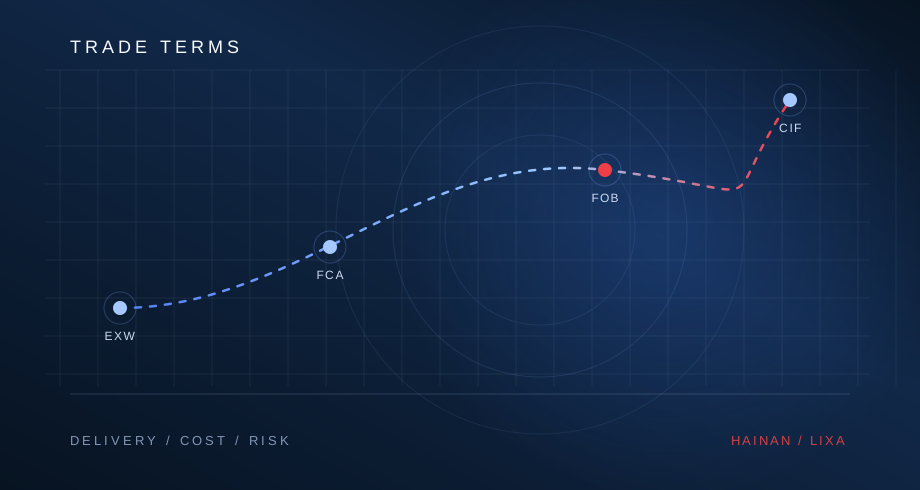
Incoterms® rules allocate delivery tasks, costs and risk between seller and buyer, but they do not set the purchase price or replace a sales contract. Identify the named place and exact rule/version on each quotation so alternatives are genuinely comparable.
Action checklist
- Ask each supplier to quote the same quantity, specification and delivery basis.
- Budget for duties, taxes and customs-broker fees using destination-specific advice.
- Include a contingency for delays, rework and currency movements.
04 / QUALITY
Build quality checks into the order
Agree on how quality will be assessed before production begins. A useful plan defines sample approval, inspection points, sampling approach, defect categories and what happens if goods fail the agreed criteria.
For complex products, a pre-production review may be more valuable than a final inspection alone. Photograph and retain approved samples, confirm production changes in writing and ensure the buyer can access relevant inspection evidence.
Action checklist
- Approve reference samples or technical drawings.
- Schedule inspection before final dispatch when appropriate.
- Record corrective actions and reinspection responsibility.
05 / DELIVERY
Map the movement and documentation
A shipment needs more than a booking. The buyer and seller should confirm packing details, carton marks, weights, dimensions, readiness date, handover location and the party responsible for each export and import document.
Common documents include a commercial invoice, packing list and transport document. Certificates, permits or product-specific papers depend on the commodity and destination. Confirm these requirements with qualified customs and logistics parties rather than assuming the same list works everywhere.
Action checklist
- Agree on the latest acceptable dispatch and arrival windows.
- Check document details against the purchase order.
- Assign one owner for shipment updates and exception handling.
06 / EXECUTION
Close the gaps before authorizing the order
The strongest final check is to align the specification, commercial terms, quality plan, payment milestones and logistics responsibilities in one set of approved documents.
Keep a clear change log. If a supplier proposes a different material, component or delivery date, treat it as a commercial change that requires acceptance, not as an informal conversation.
Action checklist
- Match the purchase order to the approved quotation and specification.
- Verify banking changes through an independent, trusted channel.
- Keep a single written record of approvals and shipment milestones.
Clarity creates room to move.
A coordinated trade process starts with shared expectations and ends with a documented handover. These guides offer general business information; product-specific compliance, contractual and customs decisions should be confirmed with qualified specialists.